

Lennon & McCartney
This site is for music students and their teachersArrival of Rock'n'Roll in the UK
When Elvis' Heartbreak Hotel topped the UK charts in May 1956, Lennon was enamoured. He wanted to be like him and soon formed a skiffle group. Both him and Eric Griffiths played guitar -- and took 1 or 2 lessons from a local music teacher, but struggled to learn the music notation and basic music theory. As a result, Lennon nearly quit playing guitar. Instead, his mother taught him banjo chords. What Lennon learned next instead of music notation was rhythm. He did not learn basic music theory. Soon he was playing the current top hits.
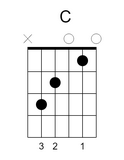
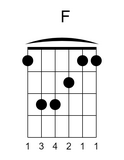
Even though there is a C9 in Tutti Frutti, it is likely that it was simplified to a C chord. In 1956, Lennon would have been able to play 6 chords. But these are guitar chords. Instead, he played the banjo chords he was taught -- and this influenced his later chord fingerings when he was a Beatle.
Exposure To Music
To a great extent, John Lennon and Paul McCartney would have learned music by ear, and had access to both words/chords used, as well as recordings. Unable to read music, they slowed down records and determined all the necessary chord changes. One song that they both heard in June 1956 was Be-Bop-A-Lula (Gene Vincent).
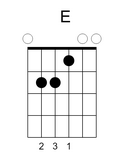
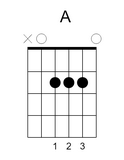
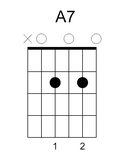
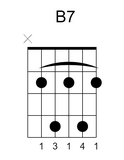
Lennon already knew the chords (E, A7 and B7).
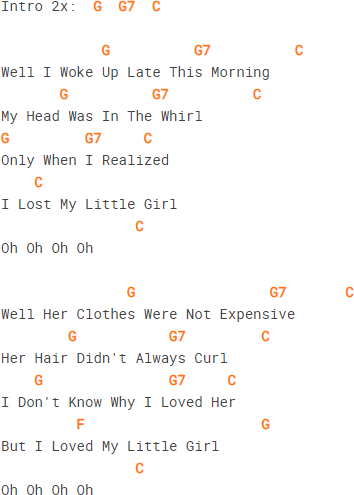
A month before, Elvis Presley's hit "I Forgot To Remember To Forget" also used the same chords. Years later, the Beatles would record it on the BBC. By November 1956, Paul McCartney had written his first composition on guitar: Lost My Little Girl (Key of G). The progression is simple and corresponds with typical established chord sequences. The Beatles quickly learned all that they could, including Johnny Burnette's Lonesome Tears In My Eyes. They quickly learned Diatonic Chord Progressions and favored use of the vi chord.
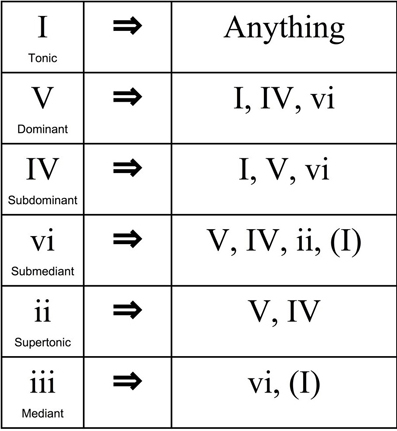
In his analysis of Beatles progressions, KG Johnansson says that they mostly used I, 1V and V chords. The rest were only added as needed.
Use of Harmonic Cadences
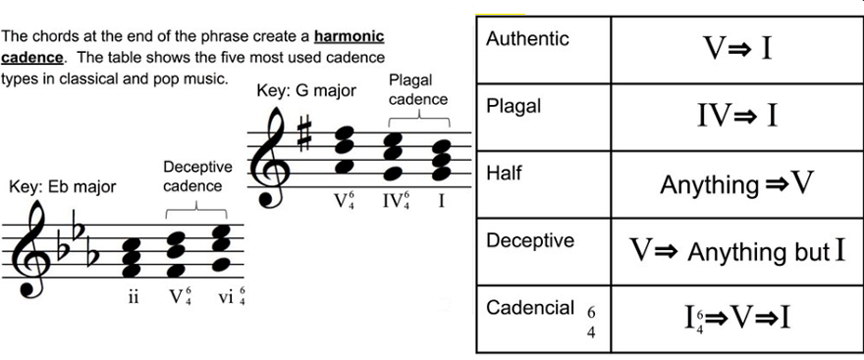
In classical and pop music, cadences are often used to end phrases. The Beatles were no different.
Ending To Please Please Me
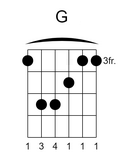
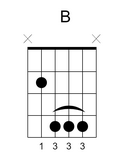
There is use of a plagal cadence at the end of Please Please Me as follows:
1957: The Hits Just Kept Coming
From January to May 1957, John and Paul were introduced to 6 new songs that they learned prior to meeting on July 6, 1957. Even George would have been familiar with some of them. Four of them would become part of their repertoire. Not only did they learn their chords; they learned part of their lead parts as well.
- Long Tall Sally
- Matchbox
- 20 Flight Rock
- Come Go With Me
- Too Much Monkey Business
- Roll Over Beethoven
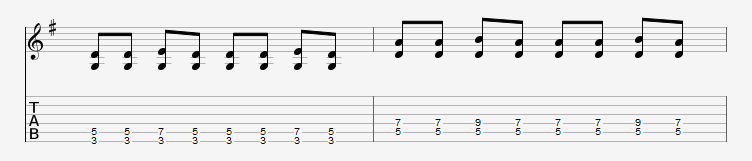
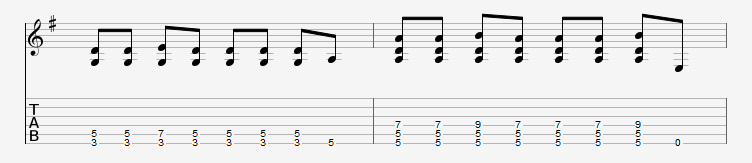
Both Lennon and Harrison paid attention to Chuck Berry's guitar work and could play the lead parts, as well as the rhythm sections. The same 5th and 6th patterns would show up in I Want To Hold Your Hand.
Chuck Berry:
John Lennon:
Paul's Vocal Range
In May 1957, Little Richard released Rip It Up in the UK. Paul could match his use of high vocals and this was something that proved useful in a lot of Beatles recordings. John Lennon recognized this as part of his talents and took advantage of it. Later when they recorded I Saw Her Standing There, the two were able to blend their vocals above/below each other effectively. In later compositions, they would often take turns in handling the vocals.
It was their singing that ultimately determined their success.
They discovered how they could add strong vocals to standard chord structures, singing in 3rds, 5ths and even octaves above/below each other. It was their singing ability that set them apart from George and Ringo.
Discover some new chord progressions.
