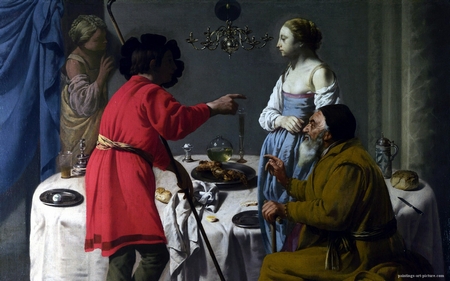
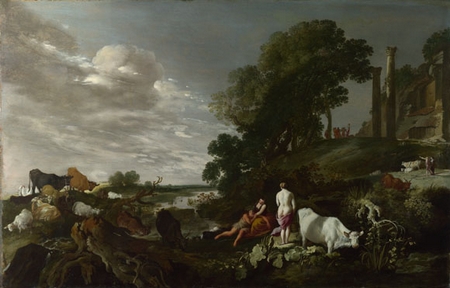
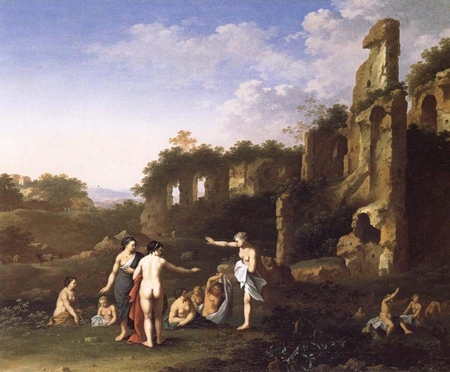
1625 - 1649
Many artists in the Baroque era followed in the footsteps of Michelangelo Merisi da Caravaggio (28 September 1571 - 18 July 1610), an Italian artist
who had a formative influence on the Baroque school of painting. Caravaggio's religious works were executed in in true Counter-Reformation spirit. At
the time, there were some significant changes taking place within Europe -- and even though the Baroque movement started in Italy, it didn't confine
itself to that region. It quickly spread to Spain, France, Belgium and the Netherlands and was adopted by artists such as Rubens, Pussin & Rembrandt.
In the Netherlands, the Protestant Reformation also had an influence on art.
Peter Paul Rubens
Rubens (June 1577 - 30 May 1640), was a Flemish Baroque painter, and a proponent of an extravagant Baroque style that emphasised movement, colour, and sensuality. He is well known for his Counter-Reformation altarpieces, portraits, landscapes, and history paintings of mythological and allegorical subjects. Rubens, a Flemish Catholic, was one of the greatest painters of all time. His work is supremely balanced and yet passionate.Nicolas Poussin
Poussin (15 June 1594 - 19 November 1665) was the leading painter of the classical French Baroque style, although he spent most of his working life in Rome. His work is characterized by clarity, logic, and order, and favors line over color. Until the 20th century he remained a major inspiration for such classically oriented artists as Jacques-Louis David, Jean-Auguste-Dominique Ingres and Paul Cezanne.
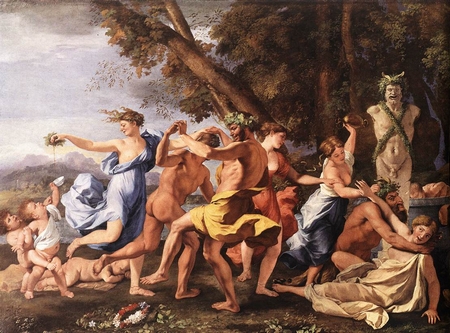
A Bacchanalian Revel before a Term (1631-33)
Room 19
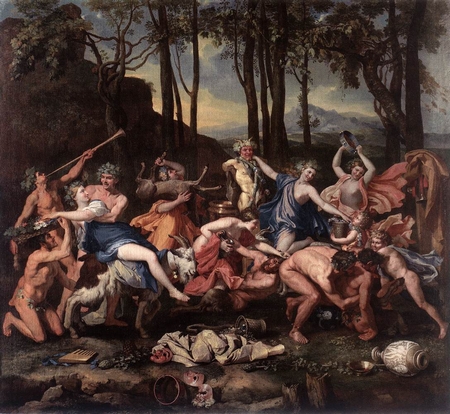
The Triumph of Pan (1636)
Room 19
Diego Rodríguez de Silva y Velazquez
Velazquez (June 6, 1599 - August 6, 1660) was a Spanish painter who was the leading artist in the court of King Philip IV. He was an individualistic artist of the contemporary Baroque period; important as a portrait artist. In addition to numerous renditions of scenes of historical and cultural significance, he painted scores of portraits of the Spanish royal family, other notable European figures and commoners.
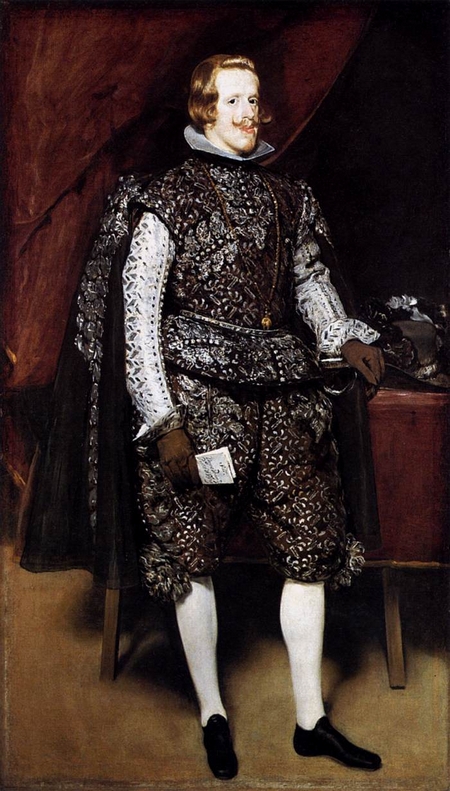
Philip IV in Brown and Silver (1631)
Room 30
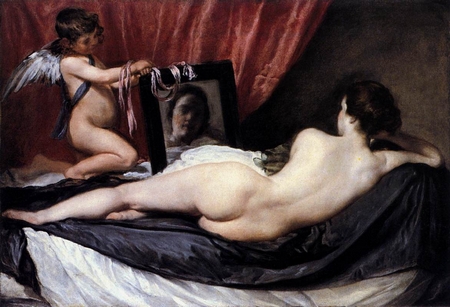
Venus at her Mirror (1649)
Room 30
Rembrandt Harmenszoon van Rijn
Rembrandt (15 July 1606 - 4 October 1669) was a Dutch painter and etcher. He is generally considered one of the greatest painters and printmakers in European art history and the most important in Dutch history. His contributions to art came in a period of great wealth and cultural achievement that historians call the Dutch Golden Age. Having achieved youthful success as a portrait painter, Rembrandt's later years were marked by personal tragedy and financial hardships. Despite this, his reputation as an artist remained high, and for twenty years he taught many important Dutch painters.
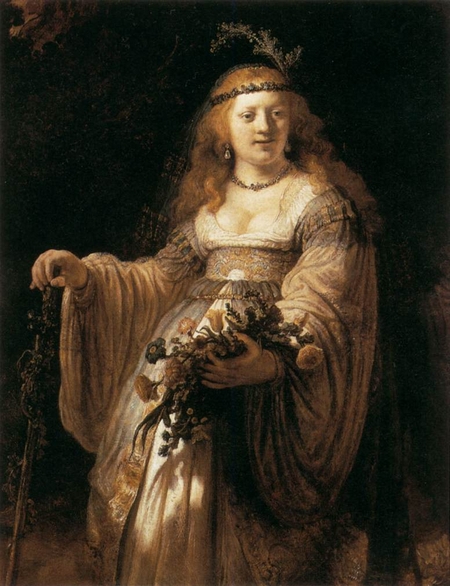
Saskia van Uylenburgh in Arcadian Costume (1635)
Room 24
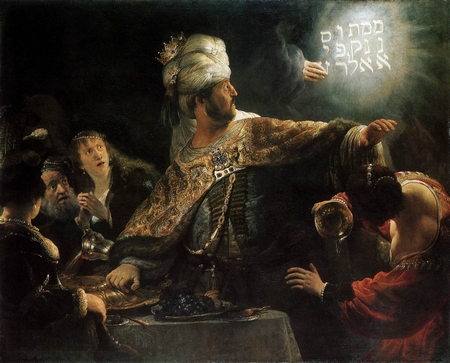
Belshazzar's Feast (1636)
Room 24
Selections from Room 16
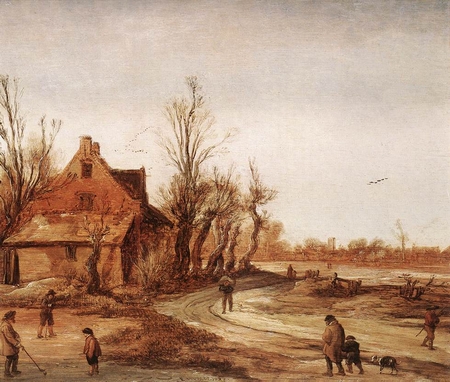
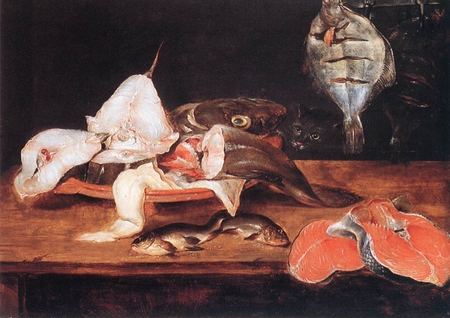
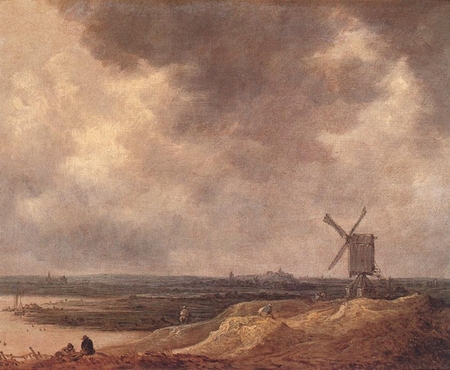
Selections from Room 17